
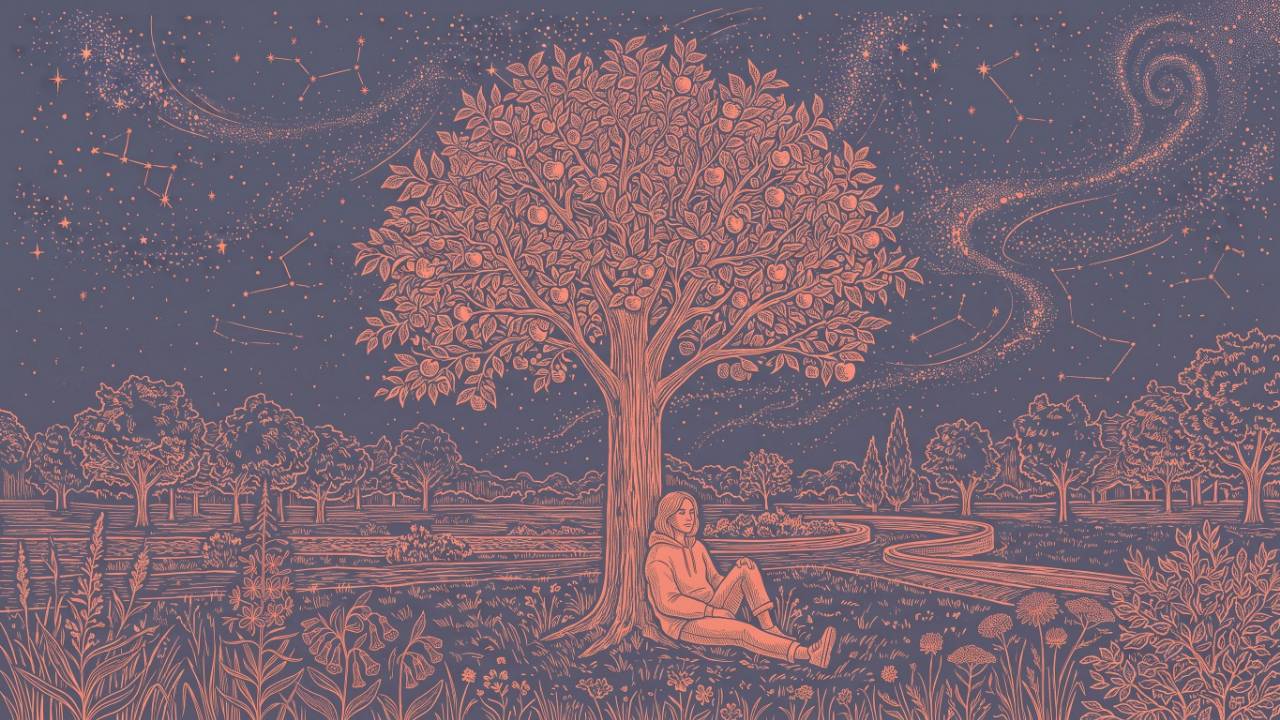
Self-esteem can feel like auditioning for your own life.
Some people notice low self-esteem as a harsh inner voice.
Others feel it in their body, as a lump in the throat when they try to speak up.
Some only notice it in how often they say sorry for everything.
Maybe you feel:
- fake
- fragile
- invisible
- small
Your nervous system learned to keep you safe from rejection.
You were not born criticizing yourself.
What is Self-Esteem?
Self-esteem is a sense of your own worth and how you treat yourself.
It shapes how you speak to yourself, what you accept from others and how much space you take up.
Low self-esteem is often a survival strategy, learned to avoid rejection or harm.
When worth depends on approval or achievement, it can rise and fall with every success or mistake.
Almost everyone struggles with self-worth at times, and for some it runs through every part of life.
It can look different across people, from quiet perfectionism to a confident front.
What was learned can be relearned.
Signs and Symptoms of Self-Esteem Concerns
Physical
- avoiding eye contact
- sinking stomach
- shrinking posture
- tense shoulders
Mental
- comparing yourself
- discounting praise
- replaying mistakes
- second-guessing
Emotional
- fear of rejection
- feeling like a fraud
- hollow wins
- shame
Social
- over-apologizing
- people-pleasing
- shape-shifting
- staying quiet
What Causes Self-Esteem Concerns?
Most of what you believe about yourself was learned from the world around you:
- Your early relationships: love that felt conditional can teach you that worth has to be earned.
- Your experiences: bullying, abuse, neglect or exclusion can leave you believing you’re the problem.
- Your identity: a world that devalues your race, gender, body or sexuality can turn into self-doubt.
- Your surroundings: constant comparison, online or at work, can make it feel like you’re always falling behind.
A harsh inner voice can feel like it keeps you in line, which is part of why it’s hard to let go.
Self-doubt made sense in the places where it was learned.
Self-Esteem and Your Nervous System
Low self-esteem can keep your nervous system braced for criticism or rejection.
You might feel revved up trying to prove yourself, then shut down when it isn’t enough.
Your brain can change throughout your life, a quality called neuroplasticity.
Old beliefs were wired in through repetition, and new experiences can build new pathways.
Bracing for criticism was your nervous system’s way of protecting you.
Small, repeated moments of safety can help your brain learn something new.
Self-Esteem and Trauma
What if staying small kept you safe?
After trauma, your body may have learned it was safer not to be noticed.
It might still carry the message that you were the problem.
Criticism or rejection now can land on those old wounds before you know why.
That’s part of why small mistakes can feel like proof something is wrong with you.
Low self-esteem after trauma can look like apologizing first, keeping your needs quiet or working twice as hard.
Each of these once helped you avoid more hurt.
Your worth was never something you had to earn.
Ways to Care for Yourself
Hear the voice
Notice when your inner critic speaks up, what it says and whose voice it sounds like.
Curl up
It's okay to want to feel small and held. Wrap your arms around yourself or curl up under a blanket.
Let it feel strange
If praise or kindness feels awkward, let it be that way. Just notice what you feel like inside.
Name a need
Notice a need you'd usually push aside, like rest or help. Name it, even if you can't act on it yet.
When to Get Help
You might tell yourself you’re just being realistic about yourself.
But a harsh inner voice can wear down your sense of worth.
It might be time to reach out if you:
- criticize yourself constantly
- feel like an imposter
- put everyone else first
- never feel good enough
It doesn’t have to be extreme to matter.
When you feel inadequate, it’s time to get help.
Therapy can help you relate to yourself with more kindness.
Questions About Self-Esteem
Why don’t I believe compliments?
Why do I apologize so much?
Why does success feel hollow?
Why can’t I feel my own worth?
What is imposter syndrome?
Will self-compassion make me lazy?
Is self-esteem the same as confidence?
Can self-esteem change in adulthood?
Resources for Self-Esteem in Alberta
If you're in crisis, call or text 988 any time, day or night. For more crisis lines across Alberta, visit our crisis support page.
Support Lines
- Mental Health Helpline: 1-877-303-2642. Free support and referrals for anyone in Alberta, 24/7.
- 211 Alberta: Call or text 211, or chat online, to find local supports and groups.
- Kids Help Phone: 1-800-668-6868, or text CONNECT to 686868. Available 24/7 for kids, teens and young adults.
Learn and Practice
- Self-Compassion: Free guided practices from researcher Kristin Neff, for being kinder to yourself.
- Compassionate Mind Foundation: Free resources on calming a harsh inner critic.
- Togetherall: Free, anonymous online peer support, moderated around the clock, for Albertans 16 and older.
Related Topics in This Library


Where would you like to go next?


Free mental health education for trauma-sensitive care in every room and relationship.
Mailing Address:
11500 29 St SE #105
Calgary, AB T2Z 3W9