Meet a Therapist in Alberta: Jiwon You
Nov 02, 2022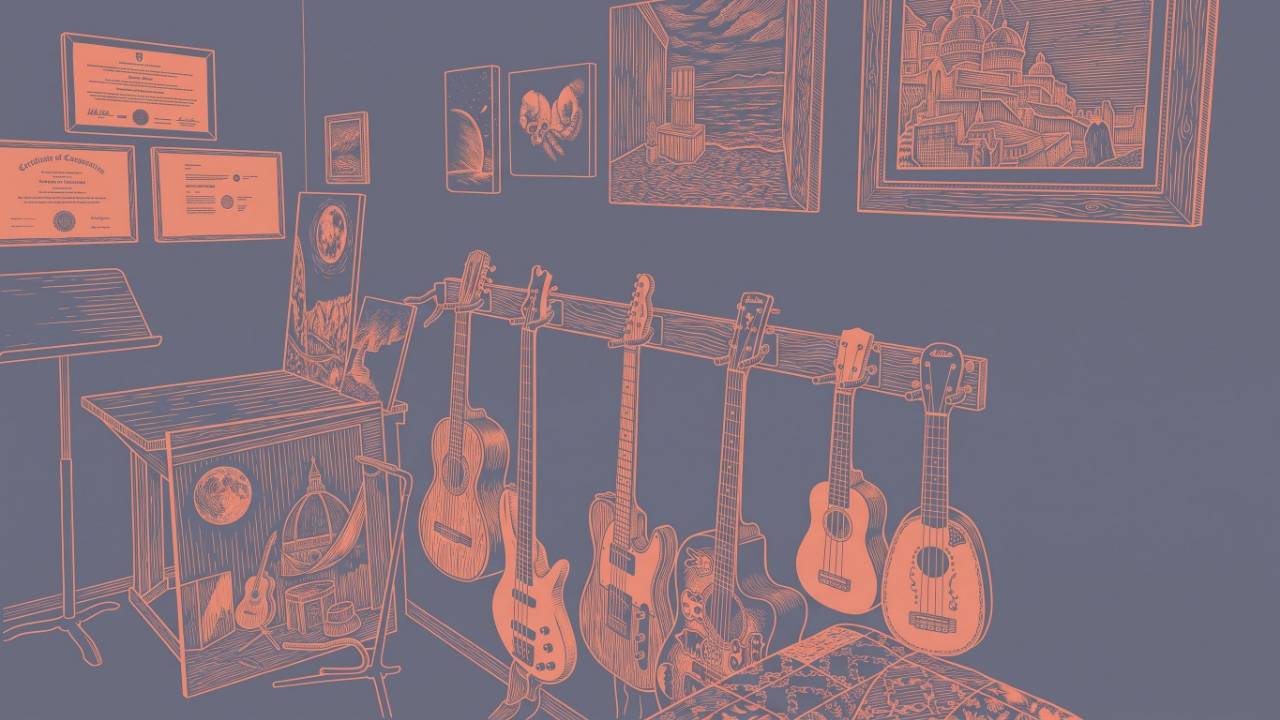
Get to know Jiwon You, a Registered Psychologist in Calgary, in this interview from our Meet a Therapist in Alberta series. Jiwon shares how her own experience in therapy led her to this work, the three statements that guide her life, and what she'd tell someone who's nervous to start therapy.
Who are you?
This always seems like the simplest question, but it's also the hardest to answer.
My name is Jiwon, and I'm a 1.5 generation Korean-Canadian. I immigrated from South Korea to Canada in 2006, and I live in Calgary, Alberta.
I have a laundry list of hobbies and interests, mainly painting and music, and I'm always looking for more ways to bring creativity into my daily life and my work. I'm a curious person and a lifelong learner, not just in therapy but in all areas of life, and I believe learning can come from anywhere and anyone. I recharge with quiet time on my own, doing things that fill me with joy.
What led you to become a therapist?
This is an interesting question! If you ever saw my resume, you might wonder the same thing, given how varied my paths have been.
I was (and am) an artist, a graphic designer, a researcher, and a video game developer, among other gigs here and there. I enjoyed every one of those roles, but I chose to become a therapist because therapy had a deep, positive impact on my life and on shaping who I am.
I believe no one goes through life without scars, figuratively and literally. In the times I felt most wounded and knocked down, I found a lot of healing in therapy and other mental health support. My therapist was a wonderful person, but what really helped was that therapy gave me confidence that I could help myself and overcome hardship, and the courage to love myself.
After coming out the other side of that period of struggle, I found myself naturally leaning toward helping and encouraging others. I wanted to share the hope that healing is possible with people who were struggling.
Down the road, I wanted to help people beyond my own social circle. I wanted to reach more people, and to be in a position to advocate for people who need concrete resources. When I learned I could do these things as a therapist, I started my journey to become one.
What did you want to be when you were 10?
Throughout my childhood, I always wanted to be an artist, especially a painter.
Painting still brings me so much joy and healing, and I still carry this dream in my heart. I hope that one day, through more schooling or self-study, I'll become a part-time professional traditional painter, while continuing my work as a therapist.
What is your life philosophy?
Three statements guide my life, both personally and in therapy: one thing at a time, sometimes it is what it is, and all actions make sense.
One thing at a time: This guides me when I feel pressured to achieve something and start to feel overwhelmed. It reminds me that I don't have to do everything at once. I can go at my own pace, and deal with one thing at a time.
Sometimes it is what it is: This might sound like resignation to some, but for me, it helps me accept the things and people I can't change. It turns my focus to what I can change, and helps me find compassion for myself in hard times. Pain is inevitable in life, but I don't have to create more suffering for myself by fighting a reality I can't control.
All actions make sense: I believe every behaviour, no matter how irrational it seems, makes sense, because it most likely served us in some way. Substance use might have been the only thing that kept someone going when their world turned upside down. Pushing people away before intimacy could develop might have been what kept someone safe growing up. Whatever it may be, this belief helps me find compassion and understanding for others, and for myself.
Do you ever get overwhelmed by the stuff people tell you?
I don't usually get overwhelmed by what people tell me, but I'm human, and I can sometimes feel swept up in the intense emotional energy that comes up in sessions.
That might be intense grief, sadness, helplessness, or anger. Over time, I've developed many strategies to keep myself regulated in and out of sessions, so I can hold whatever is happening and take care of both myself and my client.
Mindfulness before, during, and after sessions is so important for keeping me centred. Taking a short walk, breathing in fresh air, and doing hobbies completely separate from therapy also help me release heavy feelings and recharge.
What makes your job fulfilling?
Being a therapist is fulfilling in so many ways.
I get to build therapeutic relationships with very cool people and learn about their lives, witness and celebrate their moments of joy, big and small, and keep expanding my knowledge and understanding of people. The list goes on.
But the most fulfilling part of my job is seeing a client break free of old patterns of thinking or behaving that kept them stuck, and move into a new understanding of themselves and the world that fits them better. It can be a gradual process, or it can happen suddenly in the middle of a session, when their eyes open and we can both feel that something finally clicked.
Hearing clients say things like it was never my fault, I don't have to hate myself so much, or I can actually trust myself, and then seeing them carry those realizations into their daily lives, fills my heart with joy.
What would you tell someone who's nervous to start therapy?
Congratulations! You've already taken the first step, and one of the hardest: acknowledging that you want help and deciding to start therapy.
The courage and determination you already have will carry you through your recovery. Healing won't be linear, and there will probably be times you ask yourself, is this even working? Am I doing this wrong? That's normal.
Trust the process. There's no right or wrong way to do therapy, and no right or wrong way to heal. In fact, healing sometimes looks completely different from how you imagined it, and that's okay! That's why your therapist will be with you every step of the way, meeting you where you are and gently guiding when needed.
What are your hobbies?
As I mentioned, I have what feels like two million hobbies. If something involves creativity, I'll probably take it on.
I enjoy drawing and painting the most, especially oil painting, and my subjects range from strict realism to cute, warm, cartoon-style scenes. I also play guitar and sing. On warm, sunny days, I like to busk in parks or go to local open mic nights.
I knit and crochet my own clothing and dolls too, although it can be a struggle, since my cat always tries to run off with my yarn. Less often, I bake bread and pastries and try new recipes. Sometimes I write short poems or stories, or lyrics for songs I might create one day! Video games and board games are some of my favourite pastimes too.
I enjoy these hobbies on my own, but I get so much joy from gifting and sharing what I create with the people I love.
What's your favourite media right now?
My favourites change a lot depending on my mood and where I am in life.
Right now, my favourites are Good Omens, both the book by Neil Gaiman and Terry Pratchett and the TV show, and William Gibson's Sprawl trilogy, starting with Neuromancer!
What's your wish for your clients?
I wish for them to accept themselves, their situations, the world around them, and the things they can and can't change.
Acceptance doesn't mean agreeing. We can accept something and still not like it. But when we accept that a situation may not be how we want it to be, we no longer have to blame ourselves or fight with ourselves over things we can't change.
I also wish for my clients to feel care and compassion for themselves. This is a little different from love. We can be compassionate toward something or someone without loving them. We just need to want to ease their suffering and see them well.
I believe this compassion will be a source of warmth and encouragement that supports my clients even in the hardest times. I wish for them to know that, despite everything, they can always count on themselves to have their own back.
What's your favourite food?
Sushi, and other rice-based dishes!
Trauma Therapy in Alberta
If trauma or self-criticism has been weighing on you, reaching out for support can help.
Trauma therapy offers a space to understand your responses and build a steadier relationship with yourself. A therapist can help you work through what happened and find your way to feeling more like yourself.
Healing is possible.
This article is for educational purposes only and is not a substitute for therapy, medical advice, diagnosis, or treatment.
If you or someone you care about is in crisis or at risk of harm, please get help now. Call 911 or go to your nearest emergency department. You can also call or text 988 any time for suicide and crisis support. For more options, see our crisis support page.
About Jiwon
Jiwon You is a Registered Psychologist specializing in trauma therapy and self-esteem therapy with adults. She is passionate about helping people heal from trauma and self-criticism so they can feel better and live more fulfilling lives. Jiwon offers services in Korean and English.
Therapy Alberta is a free digital mental health library offering psychoeducation and video courses on mental health, therapy and trauma-sensitive care, with a private community in Alberta.