Grief: The First 21 Days
Mar 30, 2025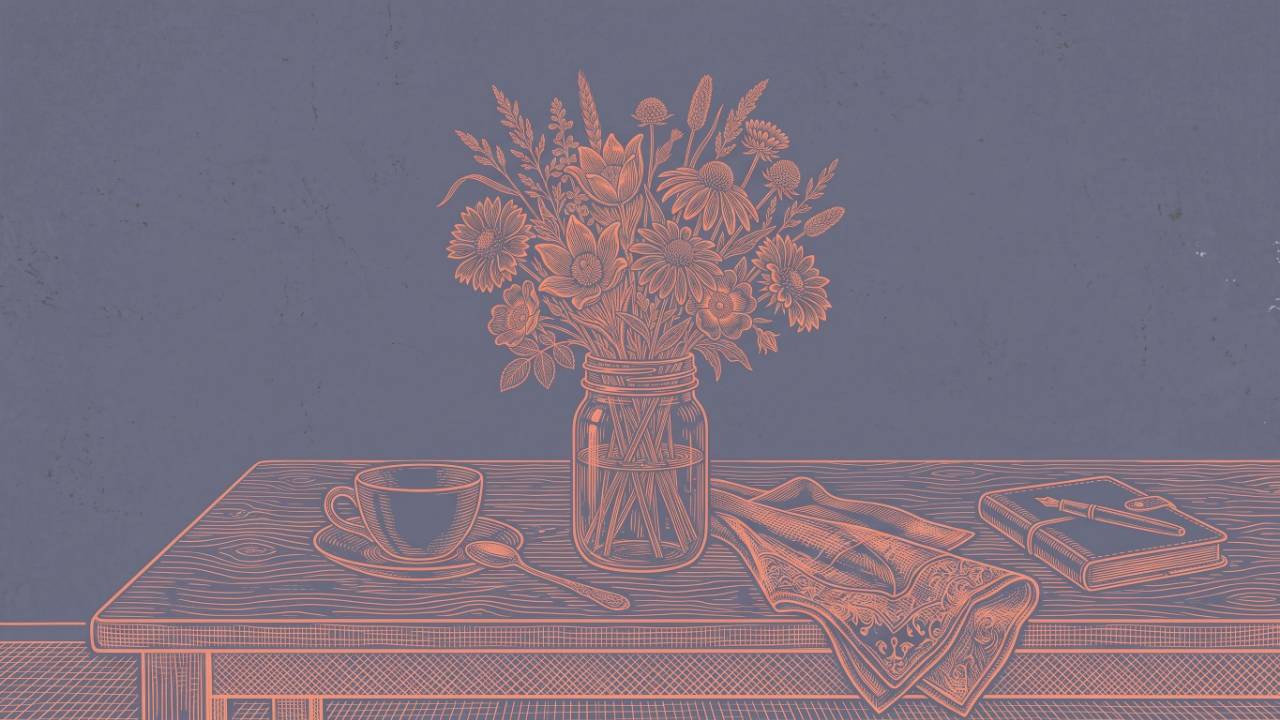
There is no book for this, but there is healing and hope. Here are a few tips for your first 21 days, written as I live through my own first 21 days.
As a therapist who has worked with countless people navigating the waves of grief, I can tell you this: there is no manual for how to go through grief, especially the first 21 days. Grief is universal, yet it feels deeply personal, isolating, and unique to every person. Grief can come from the loss of a loved one, the end of a relationship, or even a major life change that shatters our sense of stability.
Whatever the source, grief is a journey. While there's no definitive guidebook, there is hope and healing, even when it seems far away.
The shock of grief: a tsunami of emotion
Grief hits like a tsunami.
One moment, you may feel grounded, like you're standing on the warm sand of a peaceful beach, watching gentle waves roll in and out. The next moment, the ground falls out from beneath you, the waves crash down, and you are drowning. That's exactly what grief felt like for me when my dad died last year.
As I write this, I am still treading water, slowly inching my way up, not yet riding the waves but no longer submerged. I'm looking out at the wreckage, trying to make sense of it. Amid the devastation, there's a small light on the horizon. I'm swimming toward it, and that's what this post is about: finding that small light when you're lost in the overwhelming waves of grief.
Riding the emotional waves
Grief isn't just sadness. It brings a whole range of feelings: shock, anger, guilt, confusion, and even moments of relief.
These emotions can strike suddenly and take you by surprise. One of the hardest lessons I've learned, both personally and professionally, is that we can't judge our emotions during grief. They are part of the process.
As tempting as it may be to push these emotions down or avoid them, there is no shortcut through grief. You have to sit with the anger, acknowledge the confusion, and feel the sadness. Each emotion asks for your attention for a time. Let yourself move through them, one at a time, and eventually you'll start to see a path forward.
Nothing you do is wrong: trust your healing process
Grief is deeply personal, and there's no right or wrong way to navigate it. This is your loss, your pain, your healing process.
Some people find comfort in holding onto every item their loved one owned. Others need to let go of those things right away. Neither choice is wrong.
Do what feels right for you. If you find yourself sleeping in their clothes, or unable to part with their belongings, that's okay. If you pack up their things quickly, that's okay too. The way you grieve is your own, and there is no manual for getting it right.
Let people in
Grief can feel incredibly isolating, but you don't have to go through it alone. If you have friends or family offering support, let them come.
It may feel impossible to think about daily tasks like cooking, cleaning, or even getting out of bed. This is where your support system can make a world of difference.
The story we often tell ourselves about being strong and handling everything on our own doesn't apply here. You are strong for surviving this loss, but strength doesn't mean doing it all alone. Let people in, and let them support you in small ways, even if it's just sitting with you in your grief.
It hurts because the love was vast
The depth of your grief reflects the depth of your love.
When we lose someone, it feels like a piece of ourselves has been torn away, because that love was woven into our lives.
The pain can feel unbearable, but remember, it hurts this much because you loved so deeply. In time, the pain will soften, and you'll be left with that love as part of who you are.
No drinking and grieving: healthy ways to cope
It's tempting to reach for things that numb the pain, like alcohol, overeating, too much TV, or sleeping too much. But these are temporary escapes that don't let you fully feel and heal.
I created a no drinking and grieving policy for myself and my family, because alcohol only increased our anxiety and restlessness. Distractions like TV breaks can bring some relief, but it's important to find a balance.
Some healthy ways to cope with grief:
- Take walks in nature
- Surround yourself with friends or loved ones
- Stay hydrated and eat nourishing foods
- Journal your thoughts, or create art as an emotional release
- Talk with a grief counsellor or therapist
- Honour routines that bring you comfort, even if they look different now
I used to call my dad almost every morning for 30 years. The sudden stop was painful, so my therapist suggested writing little notes to him and putting them in a jar. It helped me hold onto that routine until I didn't need it anymore.
People can say hurtful things
They just do. They're trying to help, but not everyone understands the depth of your pain or what words might help you take a breath.
Each loss is individual, and even if someone has had a profound loss of their own, it's still not the same as yours. I became resentful every time someone told me to be strong, or not to cry, as if my tears were a sign of weakness.
Wail if you need to wail. Cry silently if you need to cry silently. There is no right or wrong. Try not to hold onto their words. Instead, notice that they're there with you, caring and heartbroken that your heart is broken.
The most helpful messages for me were:
- I don't need to move on, but rather carry my loss as I move forward.
- One day, it will be about all the moments of life and love, not just the moments of death.
My favourite metaphor for loss is that whether you could see the truck coming or you were hit from behind, you were still hit by a truck. Grief can feel like being hit by a truck. It's an aggressive but accurate picture of how grief feels, at least for me.
Hold off on major decisions
Grief experts often suggest avoiding major life decisions in the first year after a loss.
Grief clouds our judgment, and big changes like moving, selling property, or changing jobs can add to the emotional strain. If you can, hit pause on life-altering choices and focus on healing.
Of course, for some people this isn't an option. The loss of a loved one can also mean the loss of financial security or a home. If that's your reality, I am deeply sorry. Know that you can still heal, even if it feels like life is unravelling.
One step at a time, you will get through this.
The end of the first 21 days
The end of the first 21 days was significant for me, because it was the wormhole where I went back to work and back to life.
The casseroles, phone calls, surprise visits, flowers, and check-in texts stopped. It felt like everyone else had forgotten that my life was upside down, backwards, and scary, and yet I had to move forward without any recognition of it. Like it hadn't happened.
The absence of the stories that, for a few short weeks, brought shared laughter and tears was felt almost as strongly as the loss itself.
I wrote this in my first 21 days to help with yours, and to acknowledge your pain and sorrow long after the casseroles and flowers stop arriving.
There is no book for this, but there are books that help (and flowers)
While there's no manual for grief, there are resources that can offer guidance and comfort along the way. Flowers help too.
As a therapist specializing in trauma and bereavement, I've read many books that have been invaluable for people navigating loss. In my first 21 days, I realized how glad I was that I'd read them before I needed them.
A few recommendations:
- Finding Meaning: The Sixth Stage of Grief by David Kessler
- It's OK That You're Not OK by Megan Devine
- I'm Not a Mourning Person by Kris Carr
These books offer insight, validation, and comfort, but remember that your grief is uniquely yours. Healing isn't about getting over loss, but learning to live alongside it.
Hope and healing
Grief has no instruction manual, but there is hope and healing. One step at a time, you will move through it.
Reach out for support, be kind to yourself, and know that you are not alone. Even in the darkest moments, there is light.
Grief Therapy in Alberta
If grief has been overwhelming, reaching out for support can help.
Grief therapy offers a space to move through loss without having to do it alone. A therapist can help you make sense of what you're feeling and find steadiness again.
You don't have to carry this by yourself.
This article is for educational purposes only and is not a substitute for therapy, medical advice, diagnosis, or treatment.
If you or someone you care about is in crisis or at risk of harm, please get help now. Call 911 or go to your nearest emergency department. You can also call or text 988 any time for suicide and crisis support. For more options, see our crisis support page.
About the Author
Jennifer Hrstic is a trauma and EMDR therapist helping adults and teens in Calgary and across Alberta. She specializes in working with adults who are struggling with grief, trauma, fatigue, and chronic illness or pain, to work toward healing, wellness, and meaningful connected relationships. Jennifer is a Canadian Certified Counsellor.
Therapy Alberta is a free digital mental health library offering psychoeducation and video courses on mental health, therapy and trauma-sensitive care, with a private community in Alberta.